
Why Your Standby Generator Won't Start (And What to Do About It)
There is nothing quite like the peace of mind that comes with owning a whole-home generator. When severe weather rolls through the Palmetto State, you expect your system to kick on automatically, keeping your lights on, your refrigerator running, and your family safe. But what happens when the power goes out, and instead of the reassuring hum of your generator, you are met with total silence?
Realizing your backup power system has failed during an emergency is incredibly stressful. At Freeman Electrical Solutions, based right here in Chester, SC, we know that reliable electrical services are essential for keeping your household running smoothly. If you are currently wondering why your standby generator will not start, you are not alone. Let's walk through some of the most common culprits, what you can safely check yourself, and when it is time to call in the professionals.
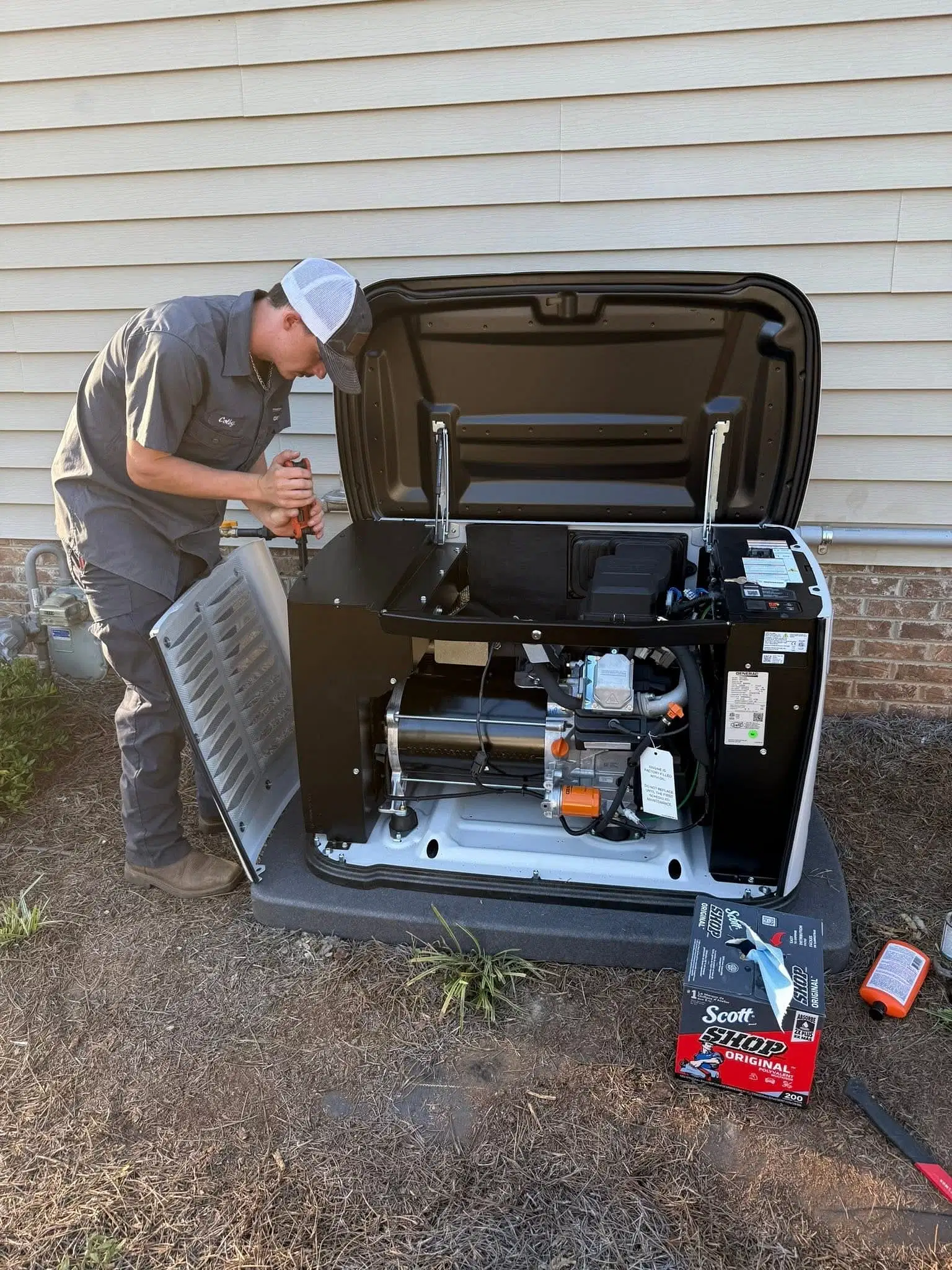
Common Standby Generator Starting Problems
When troubleshooting whole house generator failure, the cause is often simpler than you might think. Before assuming the worst about your electrical system, consider these frequent offenders:
1. A Dead or Failing Battery
Just like your car, your standby generator relies on a standard 12-volt battery to start the engine. Over time, these batteries degrade. If it has been over two or three years since your generator's battery was last replaced, or if the terminals have become corroded, the unit simply won't have the cranking power required to turn over. This is easily the most frequent cause of startup failure.
2. Low Oil or Coolant Levels
Modern generators are equipped with strict safety sensors designed to protect the engine from destroying itself. If the system detects that the oil pressure or coolant level has dropped below a safe operating threshold, it will trigger a safety shutdown and refuse to start. Regular use during extended outages can burn through oil faster than many homeowners realize.
3. The Unit is Not in "Auto" Mode
It sounds completely obvious, but it happens to the best of us. Whether the system was recently serviced, bumped accidentally, or turned off manually during a previous issue, the master switch must be set to "Auto" for the generator to detect a power outage and turn on by itself. If it is set to "Off" or "Manual," it will remain quiet during a blackout.
4. Fuel Supply Issues
If your generator runs on liquid propane or natural gas, a disruption in the fuel supply will stop it in its tracks. A closed gas valve, an empty propane tank, or a blocked fuel line are common standby generator starting problems. It is always wise to verify that the fuel valves are in the open position and your tank has an adequate supply.
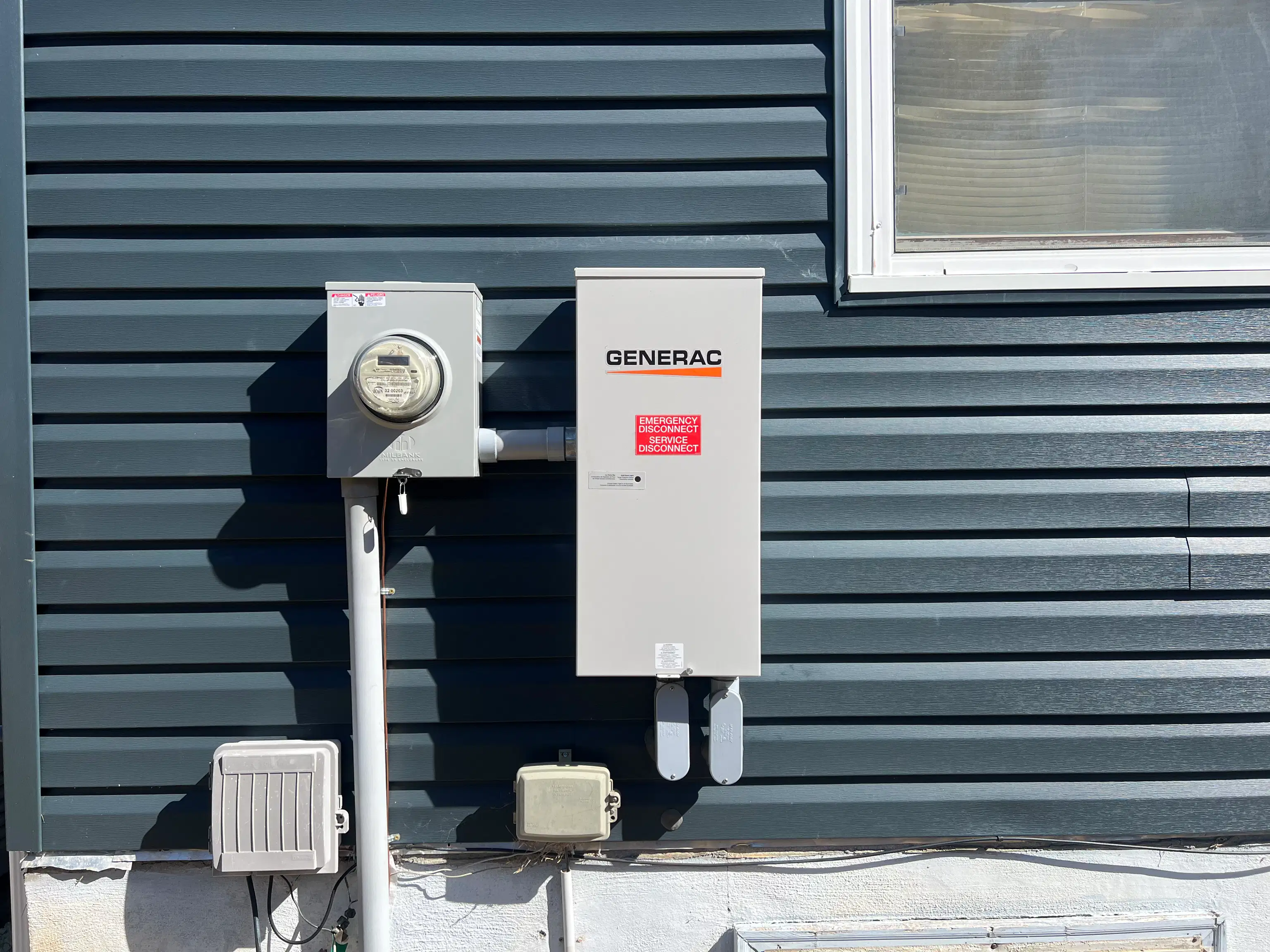
Troubleshooting Whole House Generator Failure Safely
Customers frequently ask us, "Is it safe to do my own DIY electrical work?" While we heavily advise against opening electrical panels, attempting an electrical repair, or messing with high-voltage transfer switches on your own, there are a few safe troubleshooting steps you can perform if your generator fails.
First, check the main control board on the generator itself. Most modern units feature a digital display that will provide a specific fault code. Write this code down—it will be incredibly helpful if you need to call a technician.
Next, visually inspect the exterior of the unit. Ensure the exterior switch is set to the correct automatic position. Check the immediate area for heavy debris, such as fallen branches or dense foliage from recent storms, which could be blocking the air intake or exhaust. Finally, verify your fuel gauges to ensure you have enough gas or propane.
If you have checked the battery, the fuel supply, and the operation mode, and the system still refuses to start, it is time to step back. Attempting to bypass safety sensors or disassemble the engine components can not only void your warranty but also pose a severe risk of electric shock or fire.
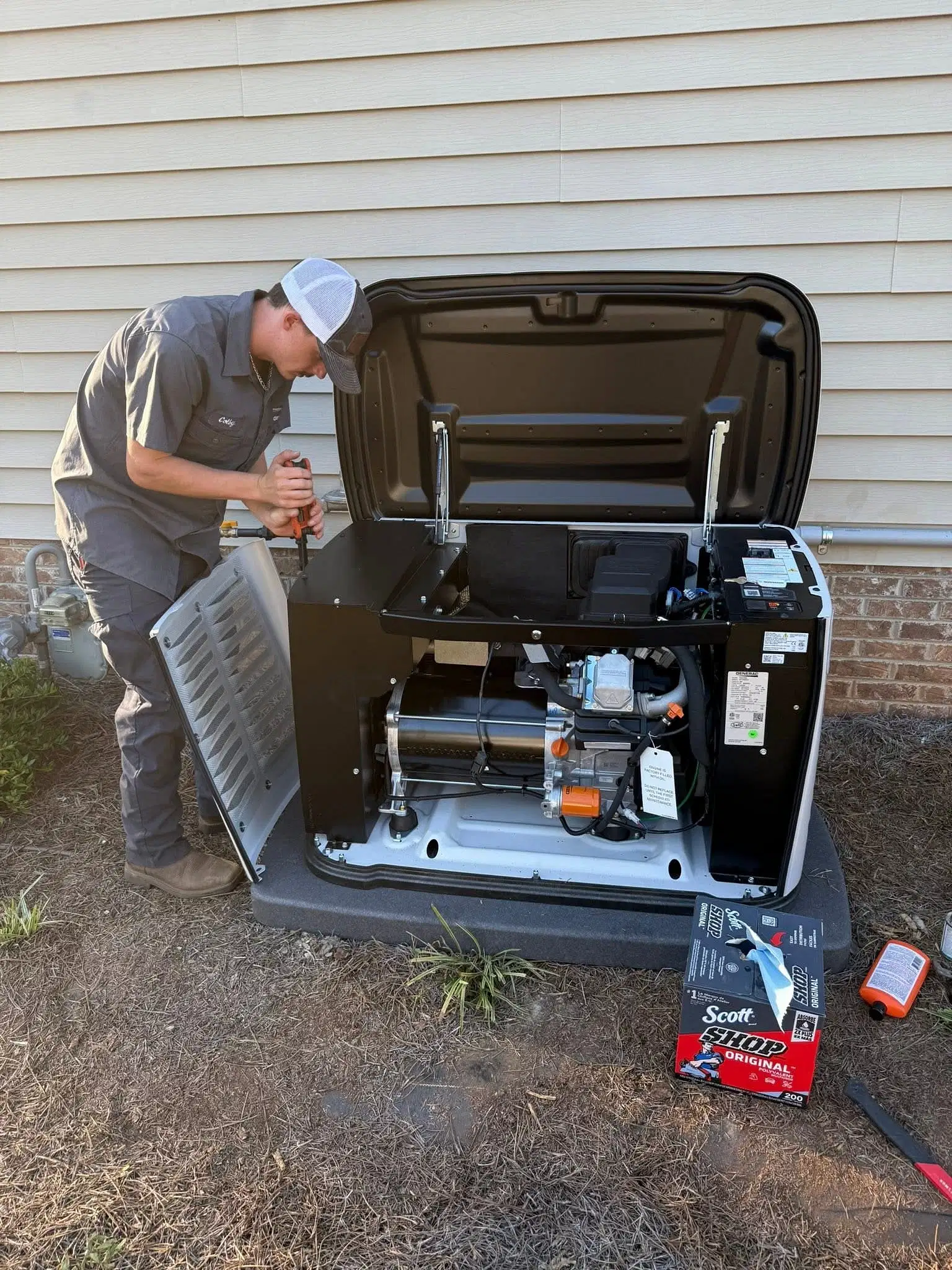
The Importance of Routine Maintenance
The absolute best way to ensure your backup power is ready when you need it is through preventative care. Just as you wouldn't drive a vehicle for years without changing the oil, your backup power system requires consistent check-ups to remain reliable.
With material costs fluctuating and supply chain delays occasionally impacting the availability of replacement parts, investing in regular maintenance is vastly more cost-effective than dealing with a major breakdown. Scheduled servicing keeps your system compliant with the latest safety standards and ensures your labor and parts warranties remain intact.
If your generator is struggling, or if you simply want to ensure it is in top condition before the next major storm hits the Upstate, our team is here to help. We specialize in comprehensive Generator Repair to fix immediate issues, as well as ongoing Generator Warranty & Maintenance plans designed to extend the lifespan of your investment.
Reliable Solutions When You Need Them Most
At Freeman Electrical Solutions, we pride ourselves on providing transparent, upfront pricing with no hidden fees, and arriving on time when you need us. We know that a broken generator is more than an inconvenience; it is a disruption to your family's safety and comfort.
If you are dealing with a generator that refuses to start, or if you need emergency electrical assistance to restore your home's functionality, don't wait for the next power outage to find a solution. Reach out to us via our Contact Us page today, and let our licensed professionals give you the peace of mind you deserve.