
How to Size a Whole-Home Standby Generator
When severe weather rolls through South Carolina during our humid summer storm season, unexpected outages are a reality. Suddenly, the power's out, the air conditioning stops, and you are left worrying about the food in your refrigerator. If you are fixin' to protect your home and family from these unpredictable disruptions, installing a backup power system is one of the smartest investments you can make.
However, a common question we hear from homeowners across Lancaster County is: what size unit do I actually need? Buying a unit that is too small means you won't be able to run your essential appliances, while overestimating your needs can lead to unnecessary expenses.
At Freeman Electrical Solutions, we believe in providing clear, upfront guidance so you can make informed decisions. This whole house standby generator sizing guide will walk you through the basics of determining your home's power requirements so you can keep the lights on safely and efficiently.
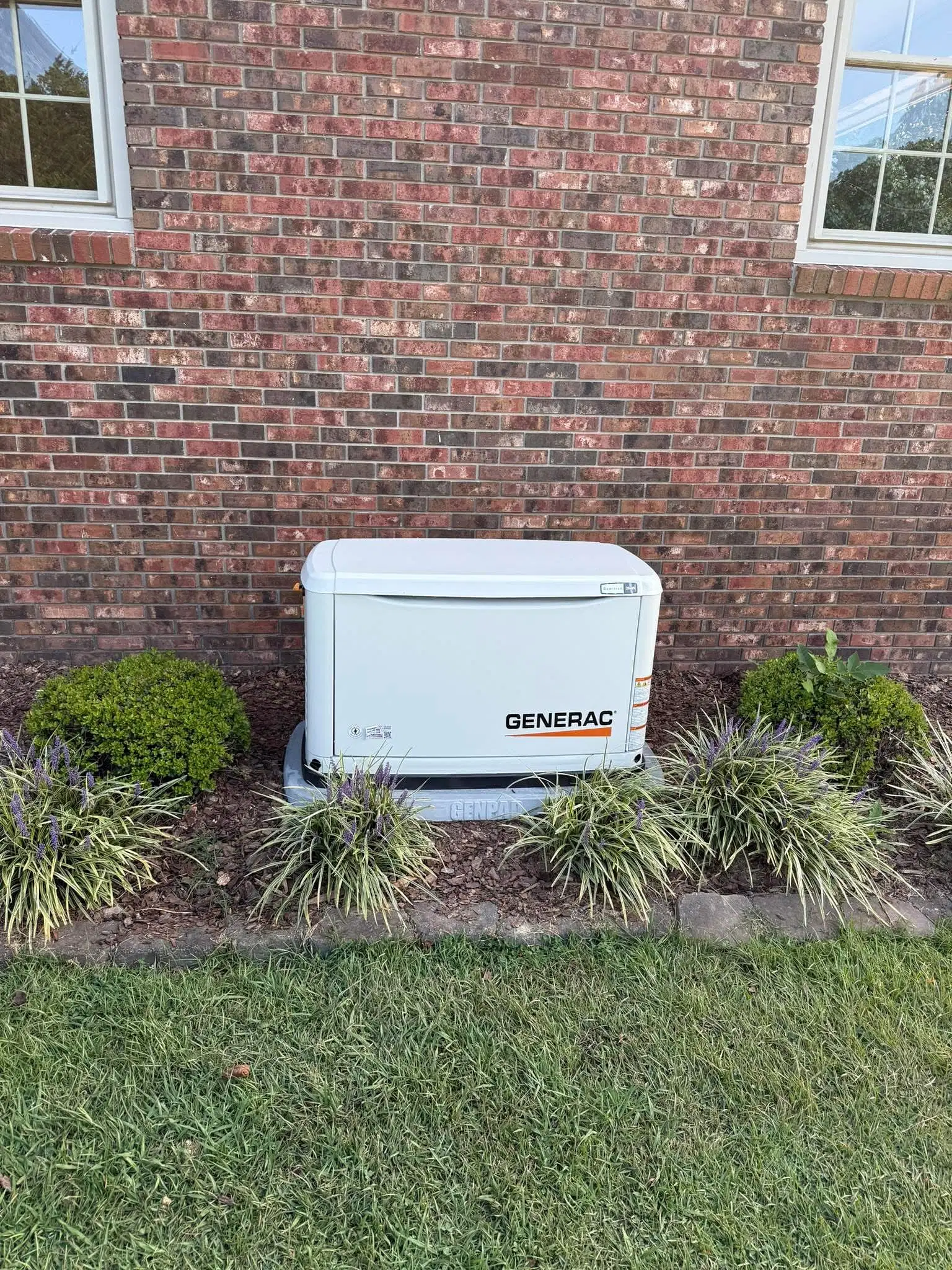
The Importance of an Accurate Electrical Load Calculation
Choosing the right size standby generator isn't a guessing game. It requires a precise understanding of your home's electrical consumption. Every appliance, from your HVAC system to your kitchen lighting, draws a specific amount of power.
There are two main types of wattage you have to account for: running wattage (the continuous power needed to keep an appliance running) and starting wattage (the brief, higher burst of power required to turn on appliances with electric motors, like a refrigerator or air conditioner). If your system cannot handle the starting wattage of your major appliances, the system will overload and shut down, defeating the purpose of having backup power in the first place.
To prevent this, our licensed technicians perform a professional electrical load & energy efficiency assessment. This calculation determines the exact electrical load for a backup generator tailored to your specific household. With volatile pricing for materials like copper and wiring in the construction industry right now, an accurate sizing assessment ensures you only pay for the exact capacity and installation materials you need, protecting your budget without sacrificing reliability.
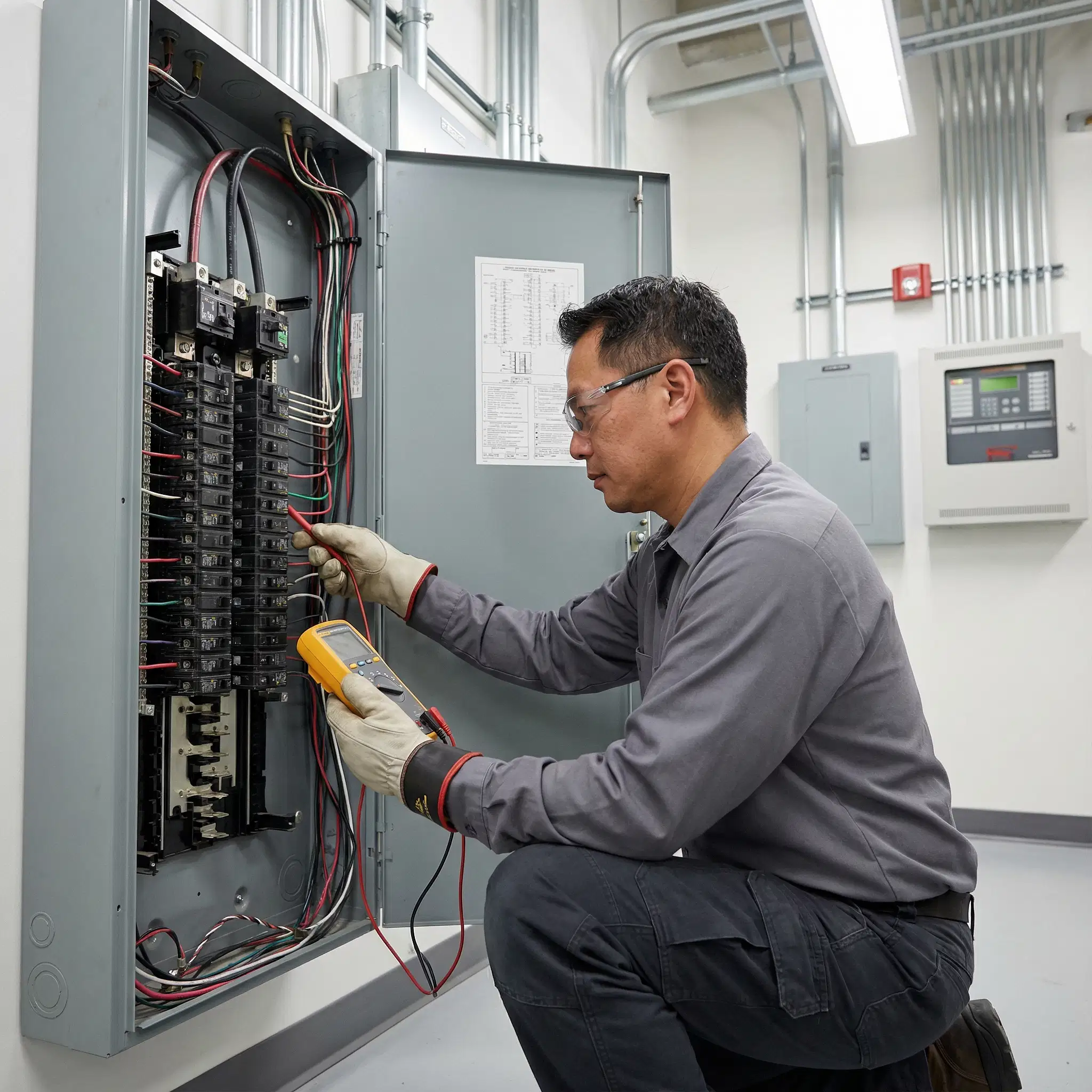
How to Calculate Home Generator Wattage Needs
If you want to get a rough estimate of your needs before consulting a professional, you can start by listing the appliances you consider absolute essentials. For a family in Indian Land, this might mean prioritizing the central air conditioner, the refrigerator, the Wi-Fi router, and medical equipment. For those living out by Lake Wateree, keeping the well pump operational might be at the very top of the list.
Here is a simplified process for estimating your needs:
- List Your Essentials: Write down every appliance and circuit you want powered during an outage.
- Find the Wattage: Check the manufacturer's label on each appliance for its running and starting wattage.
- Calculate the Total: Add the running wattage of all your essential items together. Then, add the single highest starting wattage from your list to that total.
For most modern, mid-sized homes, a unit providing between 14kW and 22kW is typically sufficient to run the entire house seamlessly. For larger properties or homes with heavy electric heating and multiple AC units, a larger liquid-cooled unit might be required. We often recommend Generac generators because they offer a wide range of reliable sizes and feature automatic transfer switches that detect an outage and restore your home's power in seconds.
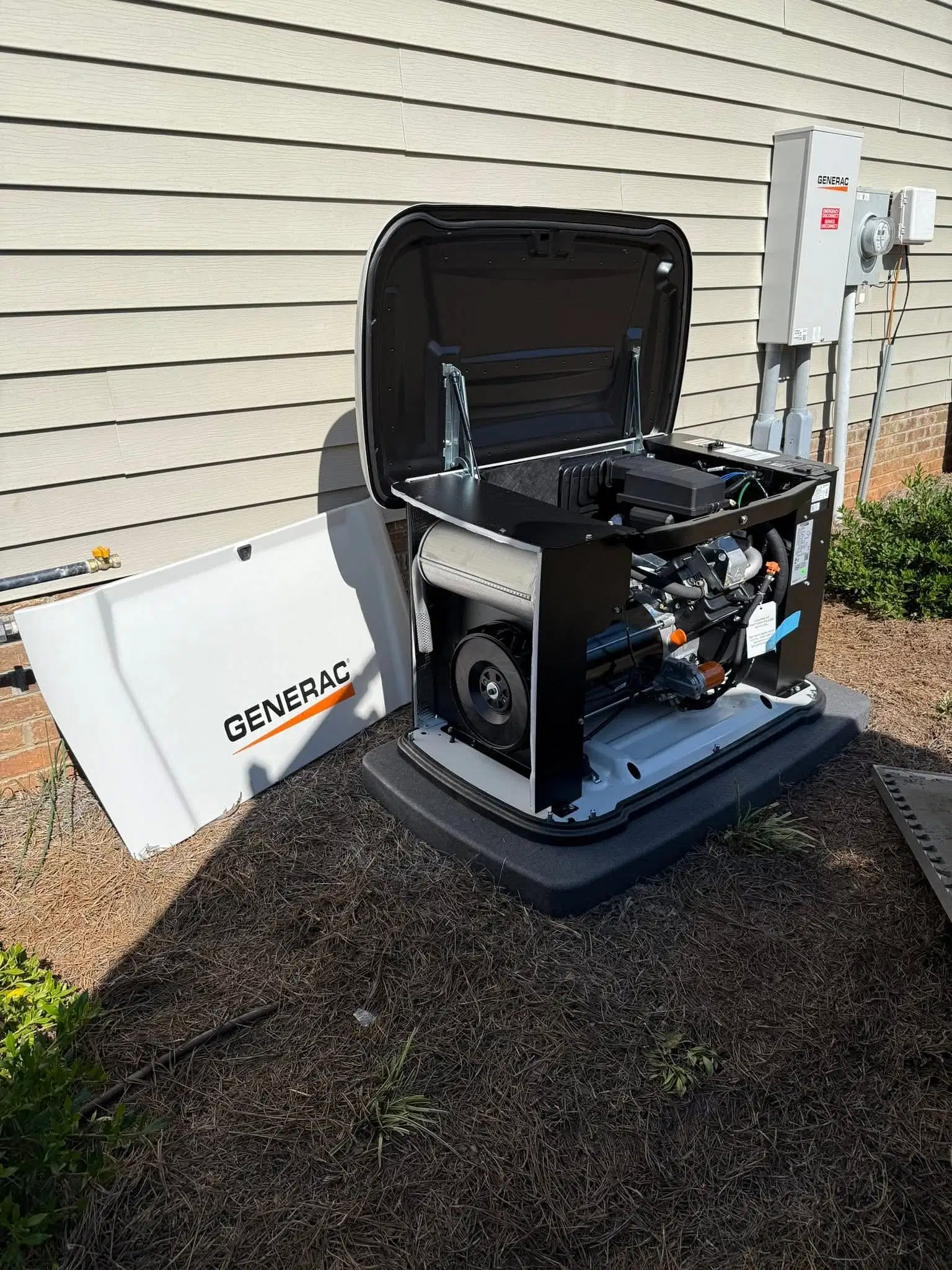
Professional Installation and Peace of Mind
While estimating your wattage gives you a good starting point, finalizing your system's size and navigating local permit requirements should always be left to fully licensed and insured professionals. Incorrectly sizing or installing a backup power system can lead to code violations, safety hazards, and damaged home electronics.
At Freeman Electrical Solutions, we take the stress out of storm preparation. We provide transparent, upfront pricing with no hidden fees, and our background-checked technicians ensure your system is installed safely and complies with all current electrical codes. We'll handle the complex calculations, the local permitting, and the final testing so you know your family is protected when severe weather strikes.
Ready to safeguard your home against the next outage? Contact us today to learn more about our generator installation & sales and schedule your free, personalized load calculation.