
Essential Guide to Home EV Charger Installation
Electric vehicles are becoming a common sight on the roads of Lancaster County and beyond. Whether you are commuting to work, running errands, or taking a weekend road trip, driving an EV offers incredible convenience, a smoother ride, and significant savings at the pump. However, that convenience relies heavily on having a reliable and efficient charging setup at home.
For many homeowners, making the switch to electric means navigating the process of installing a home charging station for the first time. It is easy to feel overwhelmed by the technical jargon, electrical requirements, and safety considerations. This essential guide will walk you through everything you need to know about home EV charger installation, from understanding your home's current electrical capacity to knowing when it is time to call in a professional electrician to ensure your system is safe and up to code.
Understanding EV Charger Levels
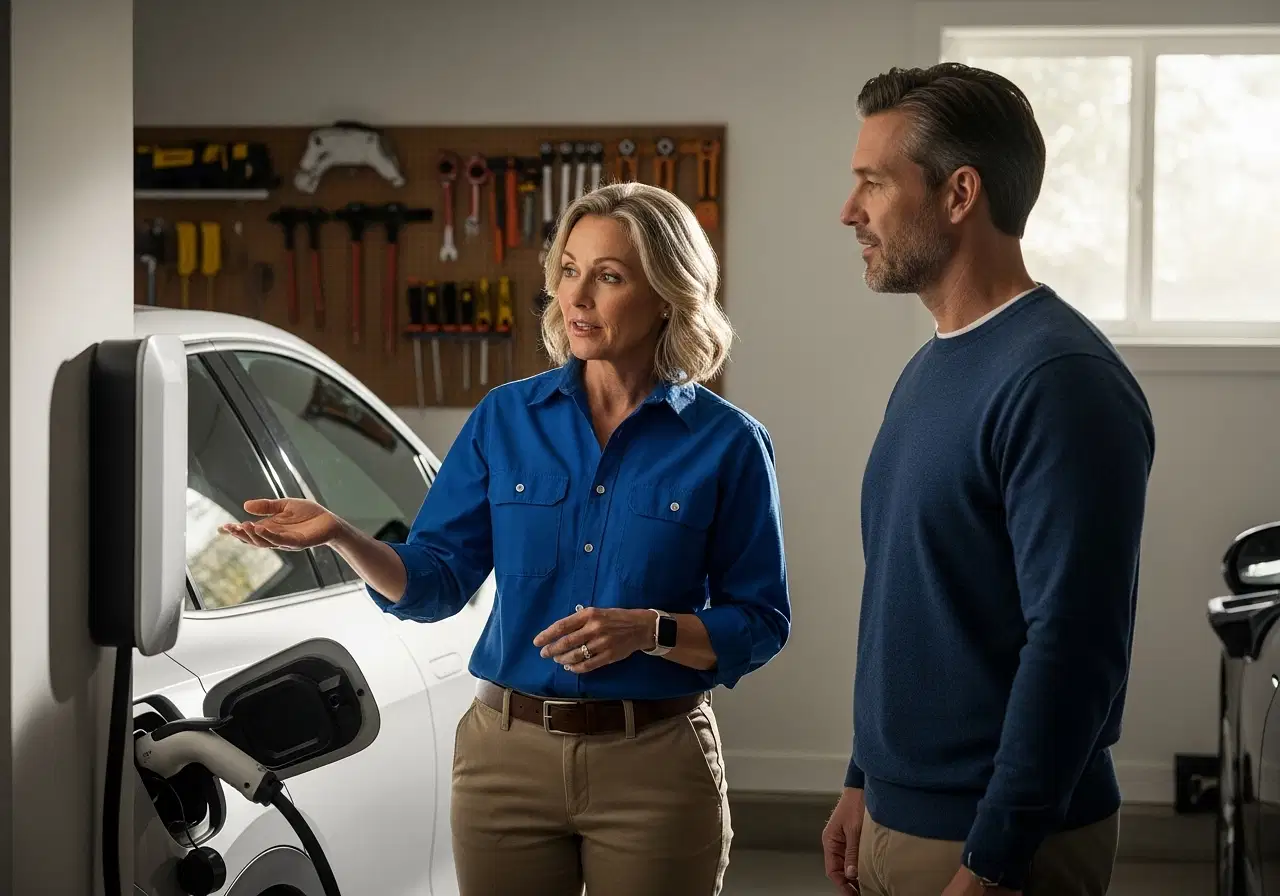
When you purchase an electric vehicle, it typically comes with a Level 1 charger. This standard cord plugs directly into a standard 120-volt household outlet. While it is convenient because it requires no special installation, it is incredibly slow, often taking several days to fully charge a depleted battery. For daily driving and regular commutes, this simply isn't practical for most families.
That is why the vast majority of EV owners opt for a Level 2 charger. A Level 2 system uses a 240-volt circuit—similar to the dedicated power source your electric dryer or oven uses—and can comfortably charge your vehicle overnight. Understanding the Level 2 EV charger installation requirements is the first critical step in your journey. These systems require dedicated circuits and specific heavy-duty wiring to operate safely and efficiently. Because of the high voltage and continuous power draw involved, relying on professional EV charging installations ensures your new equipment operates flawlessly without putting your home's electrical system at risk.
Assessing Your Home's Electrical Capacity
Before you purchase a charging unit, you need to evaluate your home electrical capacity for EV charging. Every house has a maximum amount of power it can safely draw from the utility grid, typically ranging from 100 to 200 amps for standard residential properties. When you add a high-demand appliance like an EV charger, you are significantly increasing your home's overall electrical load.
If your system is already operating near its limit, adding a charger could lead to frequent circuit breaker trips, flickering lights, or, worse, overheated wiring that poses a severe fire risk. A licensed electrician can perform a thorough assessment of your current electrical load and energy efficiency to determine if your existing setup can handle the additional demand. They will calculate the total amperage of your major appliances, HVAC systems, and lighting, and compare it to your panel's capacity, giving you a clear, accurate picture of what is safely possible.
Do You Need a Panel Upgrade?
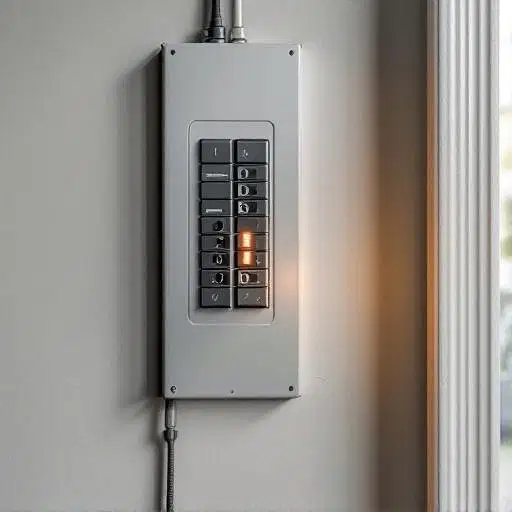
What happens if your current electrical system falls short? This is a very common scenario, especially in older homes that were built long before electric vehicles and smart home technologies were a consideration. If your home cannot support the new load, upgrading electrical panel for EV charger installation becomes a necessary step.
You might be wondering if a professional can upgrade your electrical service to handle more power, and the answer is absolutely. A panel upgrade involves replacing your existing breaker box with a larger, more robust one, often upgrading the total service from 100 amps to 200 amps or more. This not only accommodates your new vehicle but also modernizes your home's entire electrical infrastructure, improving overall safety and preparing your property for future technological additions like hot tubs or home additions. If you are experiencing flickering lights or frequent breaker trips even before adding a charger, exploring panel upgrades and repairs is a smart, long-term investment in your home's safety and value.
Choosing the Right Location for Your Charger
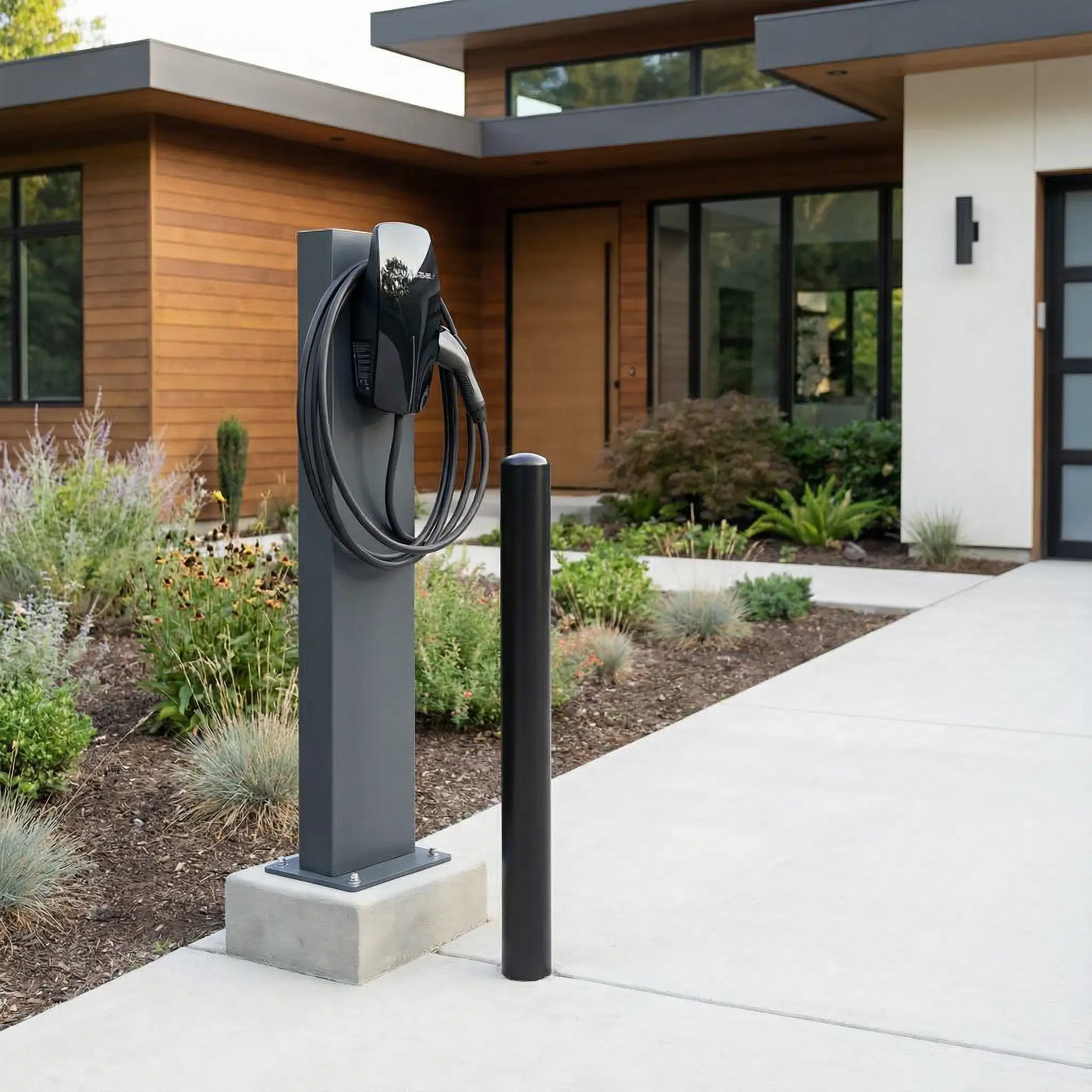
Where you decide to mount your new equipment matters just as much as the electrical work behind it. Most homeowners prefer garage installations to protect the charging unit and the vehicle from the elements. However, if you do not have a garage or prefer to park in the driveway, outdoor installations are completely viable.
Outdoor units require specialized weatherproof enclosures and specific routing for the conduit to ensure moisture does not compromise the electrical connections. When planning the layout, consider the length of the charging cable and the location of your vehicle's charging port. You want to ensure the cable can comfortably reach the car without creating a tripping hazard or being stretched too tight. A professional installer will walk your property with you, discussing the most practical and cost-effective routing from your electrical panel to the desired charging location.
Why DIY is a Bad Idea
With the abundance of online video tutorials, you might be fixin' to try installing a 240-volt outlet yourself to save a little money on the project. However, high-voltage electrical work is never the place for DIY experimentation. The benefits of professional EV charger setup extend far beyond simple convenience; they are fundamentally about protecting your family and your property.
The National Electrical Code (NEC) has strict, frequently updated regulations regarding EV charging stations, including specific requirements for GFCI protection, wire sizing, and conduit materials. A licensed, insured electrician understands these local codes and ensures your installation will pass any required municipal inspections. Incorrect wiring can lead to severe property damage, voided warranties on your expensive new vehicle, and serious fire hazards. Transparent pricing and reliable service from a local professional mean you get peace of mind knowing the job is done right the first time.
Ready to Power Up Your Drive?
Transitioning to an electric vehicle is an exciting step toward a more energy-efficient and modern lifestyle. By understanding your home's electrical needs and partnering with experienced professionals, you can enjoy the full convenience of waking up to a fully charged car every single morning.
Whether you are located in a historic neighborhood or a new development in Indian Land, having a safe, code-compliant charging station is essential for your peace of mind. If you are ready to prepare your home for an electric vehicle, the experienced team at Freeman Electrical Solutions is here to help. Contact us today to schedule a consultation and get a transparent, fair quote for your installation project.