Electrical problems rarely announce themselves with dramatic failures. More often, they show up as small, easily dismissed warning signs—flickering lights, buzzing sounds, or outlets and switches that feel warm to the touch.
In Chester, South Carolina homes, these symptoms are not normal and should never be ignored. They are early indicators of electrical conditions that can escalate into shocks, equipment damage, or house fires.
This article explains what these warning signs mean, why they happen, and when they signal the need for a professional electrical safety inspection.
Why Electrical Warning Signs Matter
Your electrical system is designed to operate silently and invisibly. When it starts making noise, producing heat, or behaving erratically, something is wrong.
These warning signs exist for a reason:
- They indicate resistance or overload
- They reveal failing components
- They signal increased fire risk
Ignoring them allows damage to progress behind walls where it cannot be seen.
Flickering or Dimming Lights: What They Really Mean
Lights that flicker or dim are one of the most common—and most misunderstood—electrical symptoms.
Common causes include:
- Loose wiring connections
- Overloaded circuits
- Failing breakers
- Undersized electrical panels
If lights flicker when appliances turn on, your system may be struggling to handle normal electrical demand.
Risk level: Moderate to high, depending on frequency.
Buzzing or Crackling Outlets and Switches
Electrical components should never make noise.
Buzzing, crackling, or popping sounds often indicate:
- Loose wiring
- Arcing electricity
- Worn outlets or switches
- Improper connections
Arcing produces intense heat and sparks. This is one of the most direct paths to an electrical fire.
Risk level: High. Immediate inspection recommended.
Warm Outlets and Switches: A Serious Warning
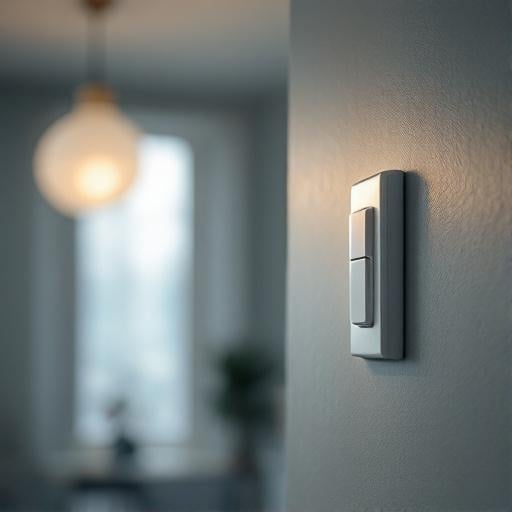
Outlets and switches should remain cool during normal operation.
Warmth can indicate:
- Overloaded circuits
- Loose connections creating resistance
- Failing wiring insulation
Heat buildup is a major fire risk, especially when it occurs inside walls.
Risk level: High. Do not continue using the affected outlet or switch.
Other Warning Signs Homeowners Miss
In addition to flickering lights and warm outlets, watch for:
- Burning or metallic odors
- Discolored outlets or switch plates
- Tingling sensations when touching devices
- Breakers tripping without clear cause
- Extension cords used as permanent solutions
Each of these signals an unsafe electrical condition.
Why These Problems Are Common in Chester Homes
Many Chester County homes face increased electrical risk due to:
- Aging wiring systems
- Undersized panels
- Increased electrical usage
- Improper DIY electrical work
Modern electrical demands push older systems beyond their safe limits.
How Minor Issues Become Major Hazards
Electrical problems escalate over time:
- Loose connections worsen with heat cycles
- Insulation degrades
- Breakers weaken
- Arcing becomes more frequent
What begins as flickering lights can eventually lead to hidden fires behind walls.
Why DIY Fixes Are Dangerous
Attempting to fix electrical issues without proper training often makes them worse.
Common DIY mistakes include:
- Tightening outlets without inspecting wiring
- Replacing outlets without testing circuits
- Ignoring underlying load issues
Electrical safety requires professional diagnostics—not guesswork.
What Happens During an Electrical Safety Inspection
A professional electrical safety inspection evaluates:
- Electrical panel condition
- Breaker performance
- Wiring integrity
- Outlet and switch safety
- Grounding and bonding
This inspection identifies both visible and hidden hazards.
When to Schedule an Electrical Safety Inspection
You should schedule an inspection if:
- Lights flicker regularly
- Outlets or switches feel warm
- You hear buzzing or crackling
- Breakers trip unexpectedly
- Your home is over 20 years old
Early inspections prevent emergencies.
Final Answer: Don’t Ignore the Warning Signs
Flickering lights, buzzing outlets, and warm switches are not cosmetic issues. They are warnings.
Addressing them early through a professional electrical safety inspection protects your home, your family, and your investment.
Next Step: Schedule a Professional Electrical Safety Inspection
A licensed electrician can identify the cause of these warning signs and correct them before damage occurs. Electrical safety inspections are one of the most effective ways to prevent fires and costly repairs.
Frequently Asked Questions
Are flickering lights always dangerous?
Not always, but frequent flickering should be inspected.
Should I stop using a warm outlet?
Yes. Stop using it and have it inspected immediately.
Can buzzing outlets cause fires?
Yes. Buzzing often indicates arcing, which is a major fire risk.
How long does a safety inspection take?
Most inspections take one to two hours.
Is an electrical safety inspection expensive?
It is far less expensive than repairing fire damage.