

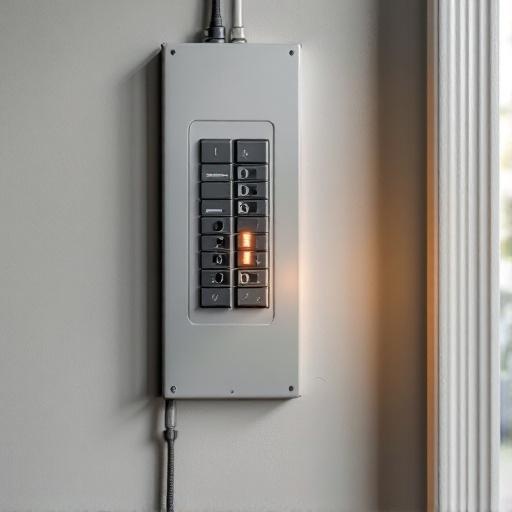
A circuit breaker that keeps tripping is not an inconvenience — it is a warning system. In many Chester, SC homes, repeated breaker trips are the first visible sign of electrical overloads, failing components, or dangerous wiring conditions that can lead to fires if ignored.
This article explains why breakers trip, what causes are harmless versus dangerous, and when breaker tripping crosses the line into a true fire hazard. If you are experiencing frequent electrical issues, this guide will help you understand what is happening and what to do next.
What a Circuit Breaker Is Designed to Do
A circuit breaker is a safety device designed to shut off electrical power automatically when it detects unsafe conditions. Its job is to stop electricity before wires overheat, insulation melts, or sparks ignite combustible materials.
A breaker will trip when it senses:
- Electrical overload
- Short circuits
- Ground faults
- Heat buildup inside the panel
A breaker tripping once is not unusual. A breaker that trips repeatedly is a sign that something is wrong.
The Most Common Reasons a Circuit Breaker Keeps Tripping
Understanding the cause determines whether the issue is minor or dangerous.
Electrical Overload (Most Common)
An overload happens when too many devices draw power from the same circuit at the same time. Modern homes place heavy demand on electrical systems through:
- Air conditioners
- Space heaters
- Hair dryers
- Microwaves
- EV chargers
Older homes in Chester were not designed for today’s electrical load. When demand exceeds capacity, the breaker trips to prevent overheating.
Risk level: Moderate initially, dangerous if ignored long-term.
Short Circuits
A short circuit occurs when a hot wire touches another hot wire or a neutral wire. This causes a sudden surge of electricity and immediate breaker tripping.
Signs of a short circuit include:
- Breaker trips instantly when reset
- Burning smells
- Scorch marks near outlets
- Popping or crackling sounds
Risk level: High. This condition can lead directly to electrical fires.
Ground Faults
Ground faults occur when electricity escapes its intended path and flows into grounded materials such as metal boxes or framing. These are common in:
- Kitchens
- Bathrooms
- Garages
- Outdoor outlets
Ground faults are especially dangerous in wet areas and can cause shock or fire.
Risk level: High, particularly near moisture.
Failing or Worn Breakers
Breakers wear out over time. A failing breaker may trip even when no overload exists.
Signs of breaker failure include:
- Breakers that feel warm
- Breakers that won’t stay reset
- Panels older than 25–30 years
A failing breaker may not trip reliably when it should — creating a hidden fire risk.
Risk level: High if not replaced.
Damaged Wiring
Rodents, nails, corrosion, and aging insulation can all damage wiring behind walls.
Damaged wiring can:
- Create resistance and heat buildup
- Cause intermittent breaker trips
- Lead to arcing and sparks
These issues are invisible without professional testing.
Risk level: Severe.
When Breaker Tripping Becomes a Fire Hazard
Breaker trips become dangerous when accompanied by any of the following:
- Burning or fishy odors
- Warm outlets or switches
- Flickering or dimming lights
- Buzzing sounds from the panel
- Breakers that trip immediately after resetting
- Discoloration around outlets or panel components
These signs indicate heat, arcing, or failing electrical components. At this stage, continued resets dramatically increase fire risk.
Why Ignoring Breaker Trips Is So Dangerous
Resetting a breaker without fixing the underlying issue is equivalent to disabling a safety alarm.
Repeated overheating can:
- Damage wire insulation
- Weaken breaker reliability
- Cause hidden fires inside walls
According to national fire safety data, electrical failures remain one of the leading causes of residential fires. Breaker trips are often the earliest warning sign.
Temporary Fixes That Do NOT Solve the Problem
Homeowners often try short-term solutions that make the situation worse:
- Replacing a breaker with a higher amperage breaker
- Using power strips to shift loads
- Avoiding certain appliances instead of fixing wiring
- Repeatedly resetting breakers
These actions bypass safety limits and increase fire risk.
How Electrical Troubleshooting Should Be Done
Professional electrical troubleshooting involves:
- Load testing
- Circuit mapping
- Thermal inspections
- Panel evaluation
- Outlet and wiring diagnostics
This process identifies the real cause — not just the symptom.
When to Call an Electrician Immediately
Contact a licensed electrician if:
- A breaker trips daily or weekly
- The breaker will not stay reset
- You notice burning smells or heat
- Lights flicker when appliances turn on
- Your panel is outdated or overloaded
Electrical problems do not fix themselves. They escalate.
Why Older Homes in Chester Are More Vulnerable
Many homes in Chester County were built before modern electrical demands existed. Common issues include:
- Undersized panels
- Aluminum wiring
- Limited circuits
- Aging breakers
As electrical usage increases, these systems reach unsafe limits faster.
Final Answer: Is Breaker Tripping an Emergency?
Sometimes. If breaker tripping is frequent, unexplained, or accompanied by heat, smell, or noise, it becomes a fire hazard, not a nuisance.
Early electrical troubleshooting prevents:
- Property damage
- Fire risk
- Costly emergency repairs
Next Step: Professional Electrical Troubleshooting
If your circuit breaker keeps tripping, the safest move is a professional inspection. Identifying the cause early protects your home, your family, and your electrical system.
Frequently Asked Questions
Can a breaker trip without being dangerous?
Yes, but repeated trips always deserve investigation.
Should I replace a breaker myself?
No. Breaker replacement requires proper testing and code compliance.
Is breaker tripping a sign I need a panel upgrade?
Often, yes — especially in older homes.
Can breaker trips cause fires?
Yes. Overheating and arcing are leading fire causes.
How fast should this be inspected?
Immediately if accompanied by heat, smell, or repeated trips.