

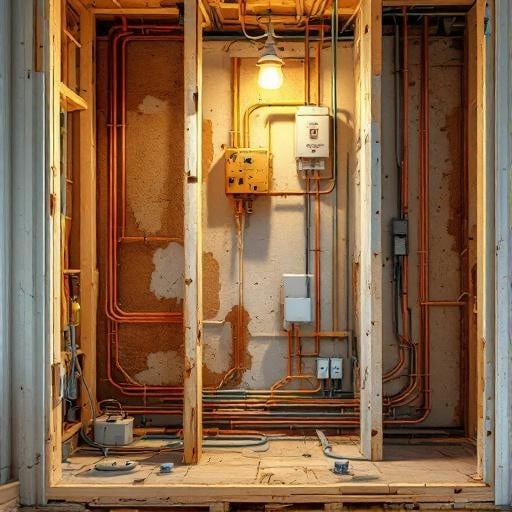
Electrical wiring is one of the most critical—and most overlooked—systems in a home. Unlike appliances or fixtures, wiring is hidden behind walls, quietly aging year after year. By the time problems become visible, serious damage may already be underway.
In many Chester, South Carolina homes, outdated wiring is not just inefficient. It is unsafe, non-compliant, and a leading cause of electrical fires.
This article explains why wiring replacement is about safety and compliance—not aesthetics—and when rewiring a home becomes necessary.
Why Old Wiring Is a Serious Risk
Electrical wiring is designed to handle a specific electrical load and operating environment. Over time, materials degrade and demands increase.
Old wiring becomes dangerous due to:
- Brittle or cracked insulation
- Loose or corroded connections
- Inadequate grounding
- Heat buildup from modern electrical loads
These issues often exist unseen until a failure occurs.
Common Types of Outdated Wiring Found in Homes
Many Chester County homes still contain wiring systems that no longer meet modern safety standards.
Cloth-Insulated Wiring
Used in older homes, cloth insulation dries out and frays, exposing live conductors.
Aluminum Wiring
Installed in some homes decades ago, aluminum expands and contracts more than copper, increasing the risk of loose connections and arcing.
Knob-and-Tube Wiring
Found in very old homes, this system lacks grounding and is incompatible with modern electrical demands.
Each of these systems presents elevated fire and shock risks.
Warning Signs Your Home May Need Rewiring
Some indicators are subtle, others urgent.
Watch for:
- Frequent breaker trips
- Flickering or dimming lights
- Buzzing outlets or switches
- Burning or metallic odors
- Warm outlets or switch plates
- Reliance on extension cords
These symptoms often point to wiring that can no longer safely carry electrical load.
Why Modern Homes Demand More From Wiring
Electrical usage has increased dramatically.
Modern homes rely on:
- Central HVAC systems
- High-powered kitchen appliances
- Home offices
- EV chargers
- Smart devices
Old wiring was never designed to handle this sustained demand.
Rewiring vs Spot Repairs: What’s the Difference?
Spot repairs address individual failures. Rewiring addresses systemic risk.
Rewiring involves:
- Replacing outdated conductors
- Installing grounded circuits
- Updating junctions and connections
- Bringing the system up to current code
Partial fixes leave hidden hazards in place.
Code Compliance and Insurance Considerations
Outdated wiring can:
- Violate current electrical codes
- Impact home insurance coverage
- Complicate home sales and inspections
Many insurers require wiring upgrades before issuing or renewing policies.
Why Rewiring Is More Than an “Upgrade”
Rewiring improves:
- Fire safety
- Electrical reliability
- Capacity for modern appliances
- Home resale value
It transforms an unsafe system into one designed for today’s demands.
How a Professional Rewiring Project Works
A professional rewiring project includes:
- Electrical system assessment
- Load calculations
- Panel and circuit upgrades as needed
- Permits and inspections
- Minimal wall and ceiling disruption
Professional planning reduces downtime and surprises.
Is Rewiring an Emergency?
Rewiring becomes urgent when:
- Burning smells are present
- Wiring feels warm
- Breakers trip constantly
- Aluminum or knob-and-tube wiring is confirmed
These conditions should not be delayed.
Final Answer: Is Rewiring Necessary?
If your home contains outdated wiring or shows signs of electrical stress, rewiring is not optional. It is a safety and compliance issue.
Replacing wiring protects your home, your family, and your long-term investment.
Next Step: Professional Wiring Evaluation
A licensed electrician can inspect your wiring, identify hazards, and recommend whether partial upgrades or full rewiring is required.
Frequently Asked Questions
How long does rewiring a home take?
Project length varies by home size and accessibility.
Does rewiring require opening walls?
Some access is required, but disruption is minimized.
Is rewiring expensive?
Costs vary, but rewiring is far less expensive than fire damage.
Can old wiring cause fires?
Yes. It is a leading cause of residential electrical fires.
Is rewiring required to sell a home?
Often, especially if outdated systems are identified.