Electrical systems are designed with limits. When those limits are exceeded, the result is electrical overload—one of the most common and most misunderstood problems in South Carolina homes.
Many homeowners assume flickering lights, warm breakers, or frequent trips are minor annoyances. In reality, these are often early warnings of panel overload, a condition that increases fire risk and signals the need for an electrical upgrade.
This article explains what electrical load is, how overload happens, and when power overuse means your home needs professional attention.
What Electrical Load Actually Means
Electrical load refers to the total amount of electricity your home is drawing at any given time. Every appliance, outlet, and system contributes to that load.
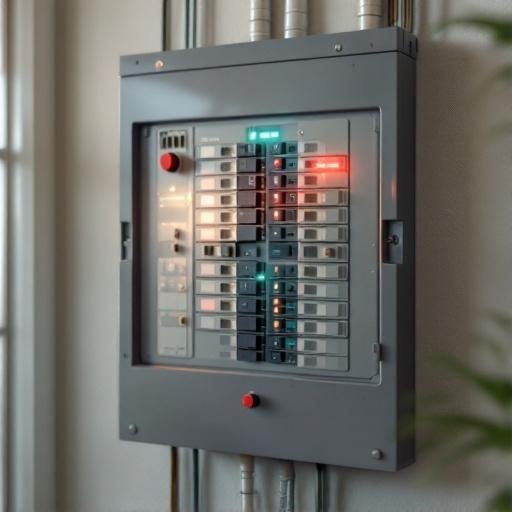
Your electrical panel is rated for a maximum capacity (measured in amps). When demand approaches or exceeds that rating, your system becomes stressed.
Electrical load increases when:
- Multiple high-demand appliances run simultaneously
- New equipment is added to older systems
- Panels were undersized at installation
Load problems do not appear suddenly—they build over time.
Why Panel Overload Is So Common in South Carolina
South Carolina homes face unique conditions that accelerate overload issues.
Heavy HVAC Usage
Air conditioning systems run longer and harder in hot, humid climates. Central AC is one of the largest electrical loads in any home.
Modern Power Demands
Homes now include:
- EV chargers
- Tankless water heaters
- Home offices
- Smart devices
- Additional refrigerators and freezers
Many homes were not designed for this level of consumption.
Aging Electrical Panels
Panels installed 25–40 years ago were sized for a different era. What once worked safely may now be inadequate.
Common Signs of Electrical Load Problems
Electrical overload often presents subtle warning signs before becoming dangerous.
Watch for:
- Breakers that trip during peak usage
- Lights dimming when appliances turn on
- Warm electrical panels or breakers
- Buzzing sounds from the panel
- Appliances underperforming
These symptoms indicate your system is operating near or beyond safe limits.
How Panel Overload Becomes a Safety Hazard
When circuits are overloaded:
- Wires heat up
- Insulation breaks down
- Breakers weaken
- Arcing becomes possible
Heat buildup behind walls is a leading cause of electrical fires. Breakers may trip repeatedly—or fail to trip when they should.
Panel overload is not just an inconvenience. It is a fire risk.
High-Risk Appliances That Contribute to Overload
Certain appliances place heavy strain on electrical systems:
- Central air conditioners
- Electric dryers
- Electric ranges
- Space heaters
- EV chargers
- Well pumps
Running several of these simultaneously can exceed panel capacity, especially in older homes.
Why Power Strips and Temporary Fixes Don’t Work
Homeowners often try to manage overload by:
- Using power strips
- Shifting appliance usage times
- Avoiding certain outlets
These do not reduce total electrical demand. They only mask the problem.
Replacing breakers with higher-rated breakers is extremely dangerous and bypasses built-in safety limits.
How Electrical Load Is Properly Evaluated
Professional electricians perform a load calculation to determine:
- Total connected load
- Peak demand
- Panel capacity
- Circuit distribution
This assessment identifies whether:
- Circuits can be redistributed
- A subpanel is sufficient
- A full panel upgrade is required
Guesswork is not acceptable when safety is involved.
When a Panel Upgrade Becomes the Right Solution
A panel upgrade is often necessary when:
- Breakers trip frequently under normal use
- New appliances cannot be added safely
- The panel is physically outdated
- Electrical demand continues to increase
Upgrading increases capacity, improves safety, and allows future expansion.
Why Older Homes Are Especially Vulnerable
Many South Carolina homes were built with:
- 100-amp panels
- Limited circuit counts
- Aluminum wiring
These systems struggle under modern electrical loads and reach unsafe conditions faster.
Is Panel Overload an Emergency?
Panel overload becomes urgent when accompanied by:
- Heat or burning odors
- Buzzing or crackling sounds
- Breakers that will not stay reset
These signs require immediate professional inspection.
Final Answer: How Much Load Is Too Much?
Electrical load is too much when your system shows signs of strain under normal daily use. If your home cannot safely support your lifestyle, the panel—not your habits—is the problem.
Addressing overload early prevents:
- Electrical fires
- Equipment damage
- Costly emergency repairs
Next Step: Professional Load Evaluation
If you suspect your home is overloaded, a professional load evaluation provides clear answers. Identifying the issue early allows safe, cost-effective solutions before damage occurs.
Frequently Asked Questions
What causes panel overload?
Too many appliances drawing power beyond panel capacity.
Can overload damage appliances?
Yes. Voltage drops and heat damage shorten equipment lifespan.
Is a panel upgrade always required?
Not always, but it is common in older homes.
Can I add circuits instead?
Only if the panel has available capacity.
Is overload dangerous?
Yes. It is a leading contributor to electrical fires.