

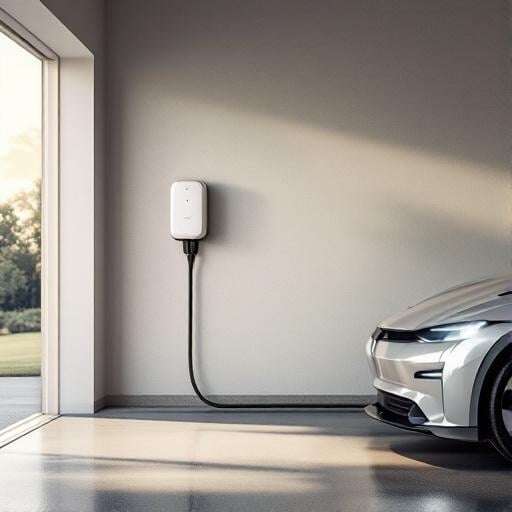
Electric vehicles are becoming increasingly common across Chester County, South Carolina. As more homeowners switch to EVs, one question comes up immediately:
Can my home safely handle an EV charger?
Installing an EV charger is not the same as plugging in a new appliance. It places a continuous, high electrical load on your home’s system. If installed incorrectly—or without proper evaluation—it can create serious safety and performance issues.
This guide explains what Chester homeowners need to know before installing a home EV charger, how to prepare your electrical system, and why professional installation matters.
Why Home EV Charging Is Different From Public Charging
Home EV chargers deliver power for hours at a time, often overnight. Unlike most appliances, they draw sustained electrical current rather than short bursts.
Key differences include:
- Continuous high amperage draw
- Long charging cycles
- Dedicated circuit requirements
- Strict code and safety standards
Because of this, EV charger installation must be planned—not improvised.
Types of EV Chargers for Home Use
Understanding charger types helps determine what your home can support.
Level 1 Chargers
- Plug into standard outlets
- Very slow charging
- Minimal electrical impact
Level 2 Chargers (Most Common)
- Hardwired or 240V outlet
- Faster charging
- High electrical demand
Most Chester homeowners choose Level 2 chargers for convenience, which makes proper electrical evaluation essential.
Can Your Electrical Panel Handle an EV Charger?
Many homes—especially older ones—were not designed for EV charging.
Panel capacity issues arise when:
- The panel is undersized (100 amps or less)
- Circuits are already near capacity
- Other large appliances run simultaneously
An EV charger can push a stressed panel into overload, leading to breaker trips, overheating, or fire risk.
Load Calculations: The Critical First Step
Before installation, a licensed electrician performs a load calculation to determine:
- Available panel capacity
- Safe charger amperage
- Whether a panel upgrade is required
Skipping this step is one of the most common—and dangerous—mistakes homeowners make.
When a Panel Upgrade Is Required
A panel upgrade may be necessary if:
- The panel lacks available breaker space
- Electrical load is already high
- Future upgrades are planned
- The panel is outdated or failing
Upgrading ensures your EV charger operates safely without compromising the rest of your home.
Why DIY EV Charger Installation Is Risky
EV chargers are not DIY-friendly projects.
Common DIY risks include:
- Improper wire sizing
- Loose connections
- Inadequate grounding
- Code violations
These mistakes can cause overheating, equipment damage, or fire hazards.
Permits and Code Requirements in Chester County
EV charger installations require:
- Electrical permits
- Code-compliant wiring
- Proper inspections
Professional installers handle permitting and ensure compliance with local regulations.
Indoor vs Outdoor Charger Installation
EV chargers can be installed:
- Inside garages
- On exterior walls
- In carports
Each location has specific requirements for weather protection, conduit, and grounding.
How EV Charging Affects Your Electric Bill
EV charging increases electrical usage, but efficient scheduling minimizes impact.
Many homeowners charge:
- Overnight
- During off-peak hours
Proper installation ensures efficient and predictable energy use.
Long-Term Benefits of Professional EV Charger Installation
Professional installation provides:
- Safe operation
- Code compliance
- Optimal charging performance
- Protection for your electrical system
- Future-ready infrastructure
It also supports resale value as EV adoption continues to grow.
Final Answer: Is Your Home Ready for EV Charging?
If your home has adequate panel capacity and proper installation, EV charging is safe and convenient. If not, upgrades are necessary before plugging in.
Cutting corners creates risk. Proper preparation creates confidence.
Next Step: Professional EV Charger Assessment
A licensed electrician can evaluate your panel, calculate load, and recommend the safest EV charging solution for your home.
Frequently Asked Questions
Can I install an EV charger myself?
No. Professional installation is strongly recommended.
Do I need a panel upgrade for an EV charger?
Sometimes. A load calculation determines this.
How long does installation take?
Most installations are completed in one day.
Can I install an outdoor charger?
Yes, with proper weather-rated equipment.
Does EV charging increase home value?
Yes. EV-ready homes are increasingly desirable.