Do You Really Need a Whole-House Generator in Chester, SC? Here’s How to Tell
Power outages are no longer rare or short-lived inconveniences—especially in Chester County, South Carolina. Between severe summer storms, aging electrical infrastructure, and increasing power demand from modern homes, many homeowners are now asking a serious question:
Do I really need a whole-house generator, or is it unnecessary for my home?
This guide is designed to help Chester, SC homeowners make an informed pre-purchase decision. It explains what a home standby generator does, who truly needs one, and when a whole-house generator makes financial and practical sense.
What Is a Whole-House (Home Standby) Generator?
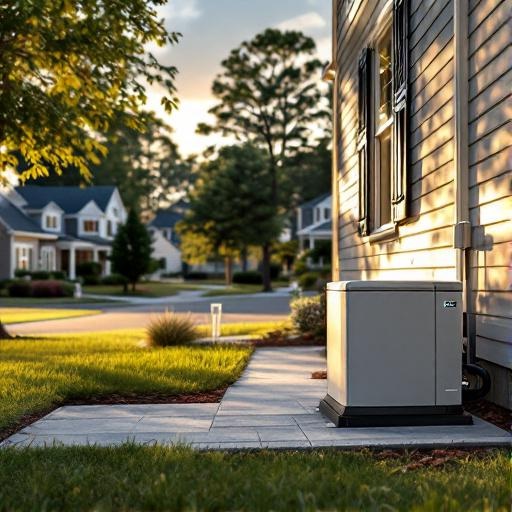
A whole-house generator, also known as a home standby generator, is a permanently installed backup power system designed to restore electricity automatically when the utility grid fails.
Unlike portable generators, a standby generator:
- Turns on automatically within seconds of a power outage
- Is permanently wired into your electrical panel
- Runs on natural gas or propane
- Can power essential circuits or your entire home
- Does not require manual setup, extension cords, or refueling during an outage
When utility power is restored, the generator shuts off automatically and returns your home to normal operation.
Why Power Outages Are a Real Concern in Chester, SC
Power interruptions in Chester County are becoming more common due to several regional factors.
Severe Weather
South Carolina storms frequently bring high winds, lightning, and heavy rain. These conditions often damage power lines and substations, leading to extended outages.
Summer Grid Strain
During extreme heat, air conditioners run continuously. This heavy electrical demand increases the likelihood of transformer failures and rolling blackouts.
Rural and Aging Infrastructure
Many areas surrounding Chester rely on older overhead power lines, which are more vulnerable to weather-related damage than underground systems.
If your home loses power multiple times per year—or for more than a few hours at a time—a whole-house generator becomes a practical solution rather than a luxury.
Signs Your Home Is a Good Candidate for a Whole-House Generator
A home standby generator is often justified if several of the following apply to your household.
You Depend on Electricity for Critical Needs
- Medical equipment or refrigerated medication
- Home offices or remote work
- Security systems or surveillance cameras
- Refrigeration for food storage
Your Home Has High Electrical Demand
Modern homes use significantly more electricity than homes built decades ago. Common power-hungry systems include:
- Central air conditioning
- Electric water heaters
- Well pumps
- Electric ranges
- EV chargers
- Multiple refrigerators or freezers
Portable generators often cannot handle these loads safely or consistently.
You’ve Experienced Long or Frequent Outages
If outages in your area last eight hours or longer—or happen multiple times each year—a whole-house generator provides stability and peace of mind.
You’re Away From Home Often
If no one is available to start a generator manually, an automatic standby system is the only reliable option.
Whole-House Generator vs Portable Generator
Many homeowners consider portable generators first. Understanding the limitations is important.
Portable generators:
- Require manual startup
- Provide limited power
- Run on gasoline
- Produce carbon monoxide
- Are intended for temporary use
Whole-house generators:
- Start automatically
- Power large portions or all of the home
- Use natural gas or propane
- Are professionally installed and code-compliant
- Provide long-term protection
Portable generators are short-term tools. Whole-house generators are permanent infrastructure upgrades.
How Much Power Does Your Home Actually Need?
Proper generator sizing is critical. Guessing leads to either insufficient power or unnecessary expense.
A professional load calculation evaluates:
- Square footage
- HVAC system requirements
- Major appliances
- Peak electrical demand
- Future upgrades such as EV chargers or home additions
Some homes require full-house coverage, while others can safely operate with essential-circuit backup. Only a professional evaluation can determine the correct system size.
Cost vs Consequences of Power Outages
A home standby generator is an investment, but so are the costs associated with extended power loss.
Outages can result in:
- Spoiled food
- Lost work income
- Hotel stays
- Flooded basements from failed sump pumps
- Medical risks
- Increased stress and disruption
For many Chester homeowners, a whole-house generator offsets these costs over time.
Common Misconceptions About Whole-House Generators
“I’ll wait until outages get worse.”
After major storms, demand for generators spikes and installation timelines grow longer. Planning ahead ensures availability and proper system design.
“They’re loud and unattractive.”
Modern standby generators are quieter, more compact, and designed to blend into residential settings.
“Maintenance is complicated.”
Routine maintenance is minimal and far easier than managing fuel and extension cords during emergencies.
When a Whole-House Generator May Not Be Necessary
Not every home requires a standby generator. You may not need one if:
- Power outages are rare and brief
- Your electrical needs are minimal
- You are comfortable without power temporarily
- Your home can safely shut down during outages
An honest assessment prevents unnecessary spending.
Installation Quality Matters More Than Brand
Even the best generator will fail if installed incorrectly.
Professional installation ensures:
- Electrical code compliance
- Proper grounding
- Accurate load balancing
- Safe fuel connections
- Reliable automatic operation
Poor installation creates safety risks and reliability issues.
The Importance of Local Expertise
Homes in Chester County vary widely in age and electrical design. Local electricians understand:
- Area permitting requirements
- Utility coordination
- Typical power usage patterns
- Regional outage risks
This knowledge directly impacts system reliability and safety.
So, Do You Really Need a Whole-House Generator?
A whole-house generator is likely a smart choice if:
- Power outages disrupt your household regularly
- Your home depends heavily on electricity
- You want automatic, hands-off protection
- Safety, comfort, and continuity matter to you
The decision is not about fear—it’s about preparedness.
Take the Next Step
Before purchasing a system, schedule a professional evaluation. A proper assessment determines:
- Whether a generator is necessary
- The correct system size
- Partial vs full-home coverage
- Installation requirements
A professional consultation ensures your investment is practical, safe, and properly designed.
Frequently Asked Questions
How long can a whole-house generator run?
As long as fuel is available and maintenance schedules are followed.
Does a standby generator increase home value?
Yes. In outage-prone regions, generators are considered valuable home upgrades.
Can a generator power my entire home?
Yes, if properly sized through a load calculation.
Is installation disruptive?
Most installations are completed within one to two days.
Do generators require permits?
Yes. Permits and inspections are required and should be handled by licensed professionals.